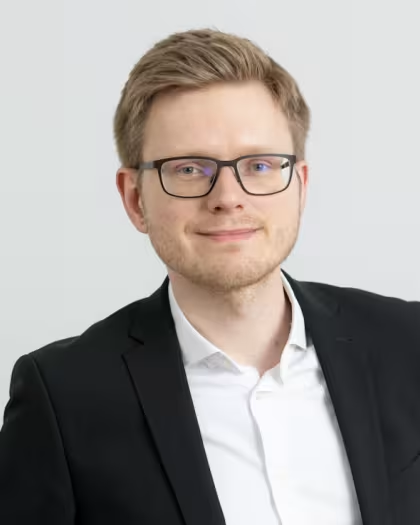
Raimondas Ibenskas
Professor, UiBIbenskas is a professor at the Department of Comparative Politics at the University of Bergen.
Read more

A joint initiative between the University of Bergen
and CMI – Chr. Michelsen Institute
Democratic norms are under pressure and Hungary is often cited as a prominent case of democratic backsliding.
 Photo: The White House
 On April 12, Hungary will hold parliamentary election, an important test of whether the opposition can challenge Viktor Orbán’s long-standing hold on power. The election also raises broader questions about how democratic backsliding can unfold within a member state of the European Union.
Is this the moment Hungary turns a corner, or doubles down?
This panel discussion will examine what is at stake in the election, the prospects for the opposition, and key issues such as media control, populism, and potential foreign influence. We will also explore how Hungary ended up here, how the EU has responded, and why its efforts may have fallen short.
What could this election mean not only for Hungary, but for Europe as a whole.
Welcome to breakfast!
Ibenskas is a professor at the Department of Comparative Politics at the University of Bergen.
Read more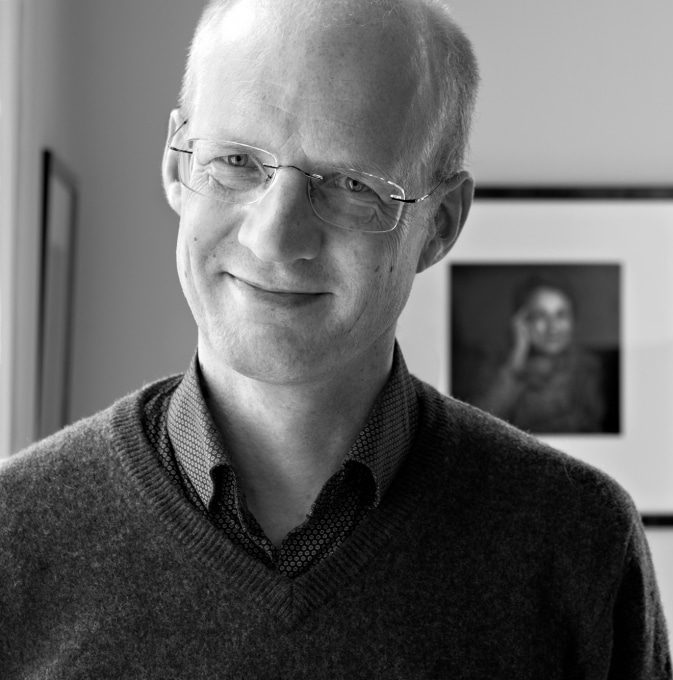
Iver Ørstavik has facilitated a broad variety of projects in assistance of the work of Rafto laureates since 2010, working extensively with laureates and other partners from India, Bahrain, Mexico, Honduras, Korea, Hungary, Russia, Uganda.
Read more
Steigler is a Doctoral Research Fellow at the Department of Public and International Law at the University of Oslo
Read more
Anisimova is lecturer at the Department of Foreign Languages, UiB.
Read more
Ibenskas is a professor at the Department of Comparative Politics at the University of Bergen.
Ibenskas´ research and teaching interests concern political party instability in European democracies. Additionally he looks at party responsiveness, party coalitions and interest group politics in the European Union.
Iver Ørstavik has facilitated a broad variety of projects in assistance of the work of Rafto laureates since 2010, working extensively with laureates and other partners from India, Bahrain, Mexico, Honduras, Korea, Hungary, Russia, Uganda.
He has covered subjects ranging from Dalit discrimination, via migrants and LGBTIQ rights, to rule of law. He headed the Free Speech to Overcome Hate Speech Program 2016-2018. Ørstavik has also been a member of the Rafto Prize Committee, and was Head of the educational work at Rafto Foundation in 2007-2009.
Ørstavik holds an M.A. in philosophy from the University of Bergen. He has approximately 15 years of teaching experience from various universities and community colleges, in the history of philosophy, philosophy of science, critical thinking, philosophy of law, and ethics.
Steigler is a Doctoral Research Fellow at the Department of Public and International Law at the University of Oslo
Steigler is a Doctoral Research Fellow at the Department of Public and International Law at the University of Oslo. She is affiliated with the ENROL project, an interdisciplinary collaboration between the Department of Public and International Law and the ARENA Centre for European Studies, funded by the Research Council of Norway. Her project focuses on the European Union’s approach towards the rule of law.
Anisimova is lecturer at the Department of Foreign Languages, UiB.
Her scholarship combines insights from the humanities and social sciences. Anisimova received her Ph.D. in Russian Studies from the University of Pittsburgh, USA. Before moving to Bergen, she worked at Miami University in Ohio and Florida State University.
Bergen Global is a joint initiative between the University of Bergen and Chr. Michelsen Institute that addresses global challenges.