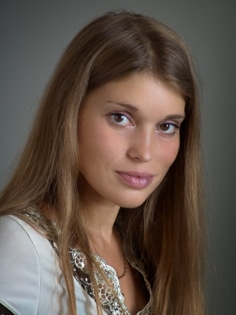
Tetyana Panchenko
Professor, Karazin Kharkiv National UniversityTetyana Panchenko is a Ukrainian social and political scientist focusing on transformative experiences of Ukrainian refugees in Germany.
Read more

A joint initiative between the University of Bergen
and CMI – Chr. Michelsen Institute
Nearly 10 million Ukrainians have been displaced by Russia’s full‑scale invasion. What are the implications of their return—or non‑return?
 Katia Miasoed
 Nearly 10 million Ukrainians are displaced as of February 2026, says the United High Commissioner for Refugees (UNHCR).
The question of whether and how Ukrainians will return is shaped by foreign policy, domestic politics, security concerns, and migration governance. In this seminar, three Ukrainian scholars explore the lived realities of Ukrainian refugees, their integration and transnational ties, and the broader geopolitical forces that influence prospects for return.
Across Europe—and in Norway in particular—Ukrainians represent the largest refugee movement since the Second World War. Their sustainable and dignified return will be crucial both for Ukraine’s long-term recovery and for how European host countries manage this crisis. Norwegian authorities currently view temporary protection as exactly that—temporary—and expect returns once the war ends.
This raises several questions.
There will be three short presentations before we open up for Q&A:
The seminar is part of a national lecture tour in the project Ukrainian Returns (2021-2027), funded by the Norwegian Directorate for Higher Education and Skills through the Nansen Support Programme for Ukraine.
Facebook event
Tetyana Panchenko is a Ukrainian social and political scientist focusing on transformative experiences of Ukrainian refugees in Germany.
Read more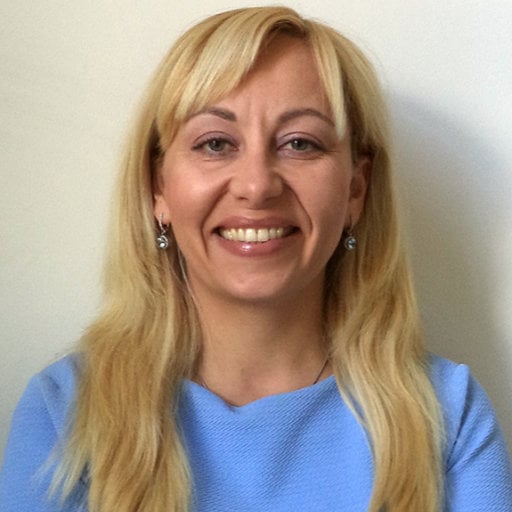
Iryna Lapshyna is associate professor at the Ukrainian Catholic University (Lviv), research associate at SEESOX (Oxford), and corresponding member of IMIS (University of Osnabrück).
Read more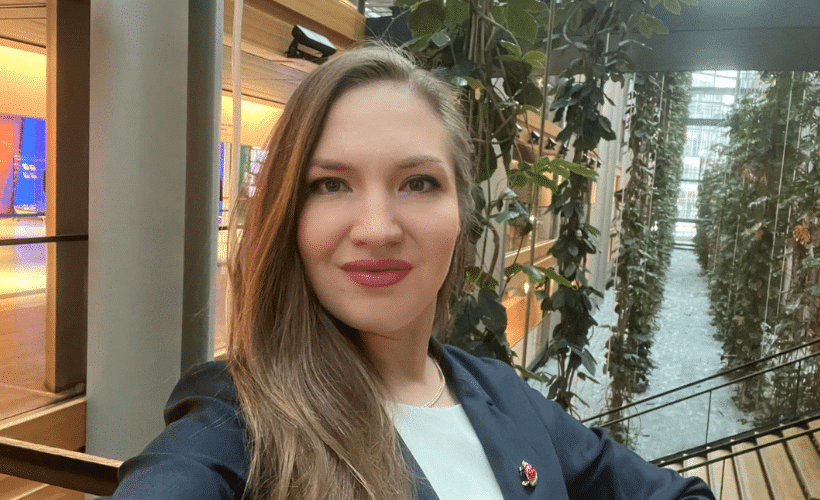
Victoria Vdovychenko is Co-Director of the Future of Ukraine Programme at the Centre for Geopolitics, University of Cambridge.
Read more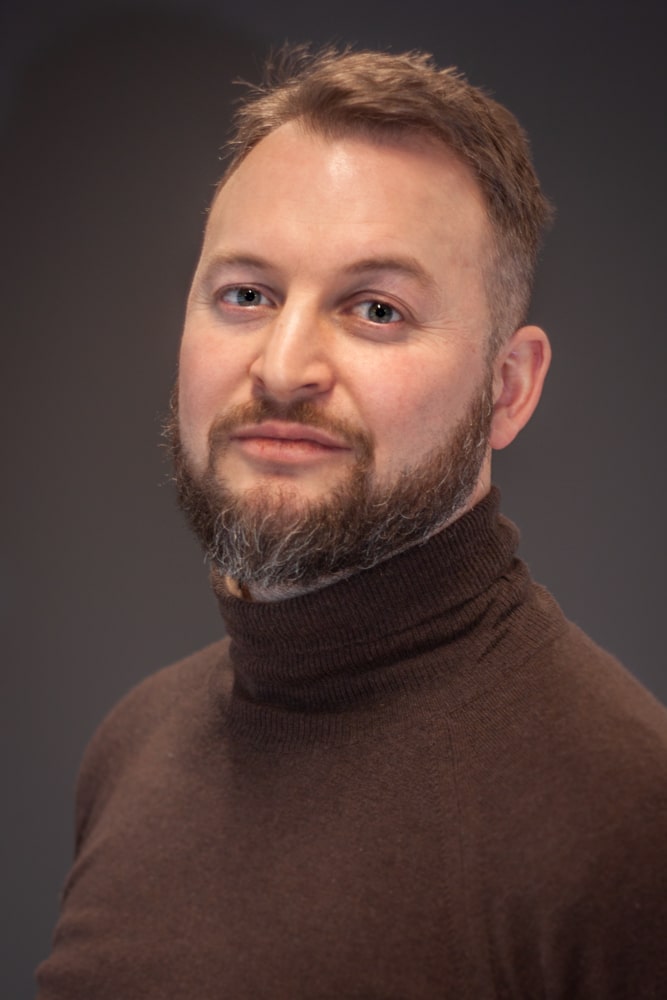
Dr. Erlend Paasche is a sociologist. He has lived in a refugee camp and has fieldwork experience from Syria, Iraq, Kosovo and Nigeria.
Read more
Tetyana Panchenko is a Ukrainian social and political scientist focusing on transformative experiences of Ukrainian refugees in Germany.
Iryna Lapshyna is associate professor at the Ukrainian Catholic University (Lviv), research associate at SEESOX (Oxford), and corresponding member of IMIS (University of Osnabrück).
Victoria Vdovychenko is Co-Director of the Future of Ukraine Programme at the Centre for Geopolitics, University of Cambridge.
Dr. Vdovychenko is an expert on hybrid warfare and strategic communication, and relations between Ukraine and the European Union as well as NATO. She is currently a Program Director for Security Studies at the Center for Defence Strategies. She is also a Visiting Fellow within the British Academy and a co-lead of the Future of Ukraine Program at the Centre for Geopolitics, University of Cambridge. Currently, Victoria does research on the strategies of Ukraine’s victory and its implication for the Black Sea area as well as European security architecture, through a joint cooperation between Centre for Geopolitics (Cambridge) and Centre for Defence Strategies (Kyiv).
Dr. Erlend Paasche is a sociologist. He has lived in a refugee camp and has fieldwork experience from Syria, Iraq, Kosovo and Nigeria.
During the last decade as a migration scholar he has conducted research involving rejected asylum seekers, refugees, labour migrants, descendants of immigrants, and victims of human trafficking for the purpose of prostitution.
Bergen Global is a joint initiative between the University of Bergen and Chr. Michelsen Institute that addresses global challenges.