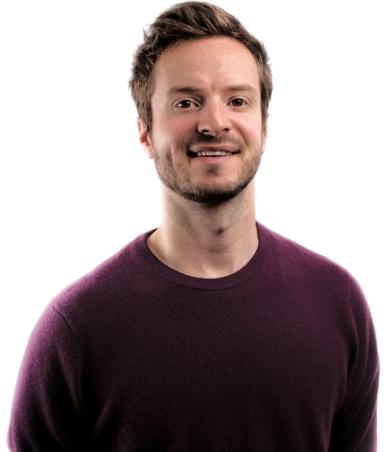
David Jackson
Principal Adviser, U4David Jackson is a social scientist with a focus on how social norms, informal institutions, and political incentives shape anti-corruption efforts.
Read more

A joint initiative between the University of Bergen
and CMI – Chr. Michelsen Institute
The turbulent contemporary practice of anti-corruption
Populist and illiberal leaders hijack anti-corruption to target opponents, restrict media and civil society, or even legitimise authoritarian rule. However, new forms of collective action and technology are emerging to forge novel paths forward.
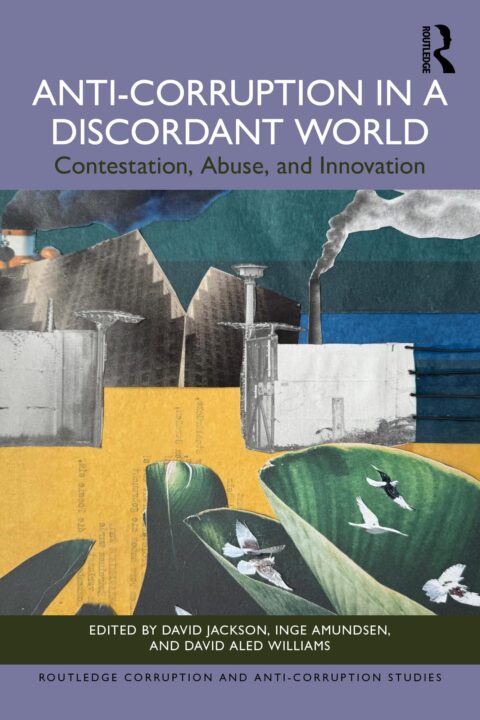
As the UN Convention against Corruption celebrates 20 years, there could be a sense that anti-corruption discourses, policies, and practices are settling into a stable, consensus-driven phase. The new book, Anti-corruption in a discordant world: contestation, abuse and innovation, argues they are not.
Selected authors will provide perspectives from around the world, from Russia to Latin America.
What innovative tools are emerging to tackle one of the world’s most pressing problems?
David Jackson is a social scientist with a focus on how social norms, informal institutions, and political incentives shape anti-corruption efforts.
Read more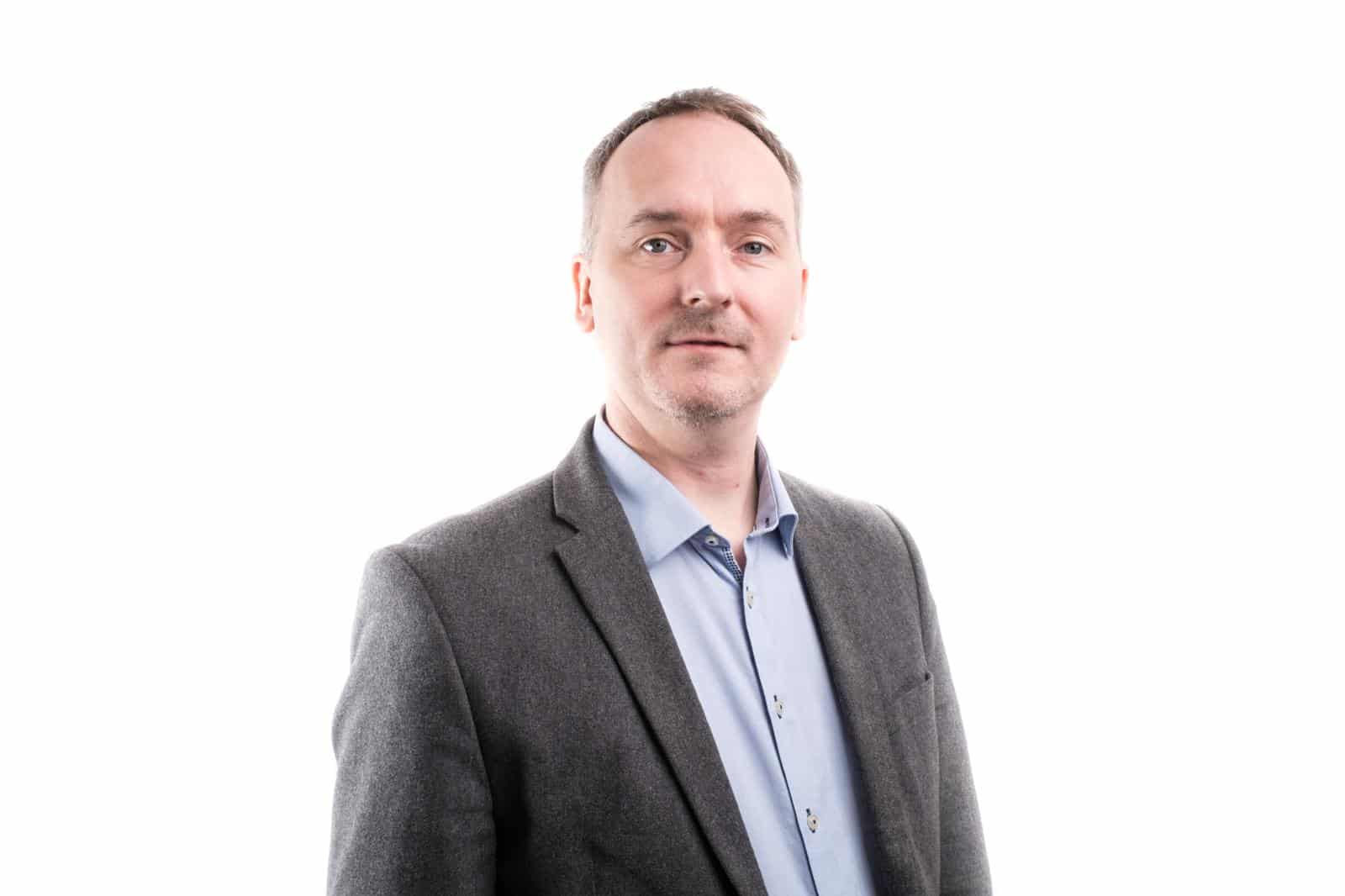
Aled Williams is a political scientist focused on policy effectiveness, anti-corruption, and the politics of resource extraction, using political economy and political ecology approaches.
Read more
Inge Amundsen is a political scientist focusing on democratic institutionalisation, political economy, parliaments, political parties, political corruption, and natural resources revenue management.
Read more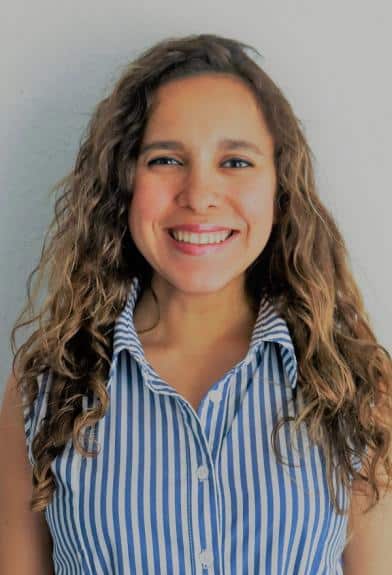
Daniela Cepeda Cuadrado is a public policy professional with experience working in the fields of anti-corruption, health, and sustainable development.
Read more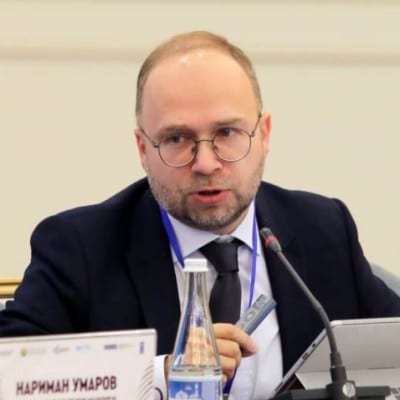
Alexey Konov is an anti corruption expert and the director of the Anti-Corruption Center at HSE University in Moscow.
Read more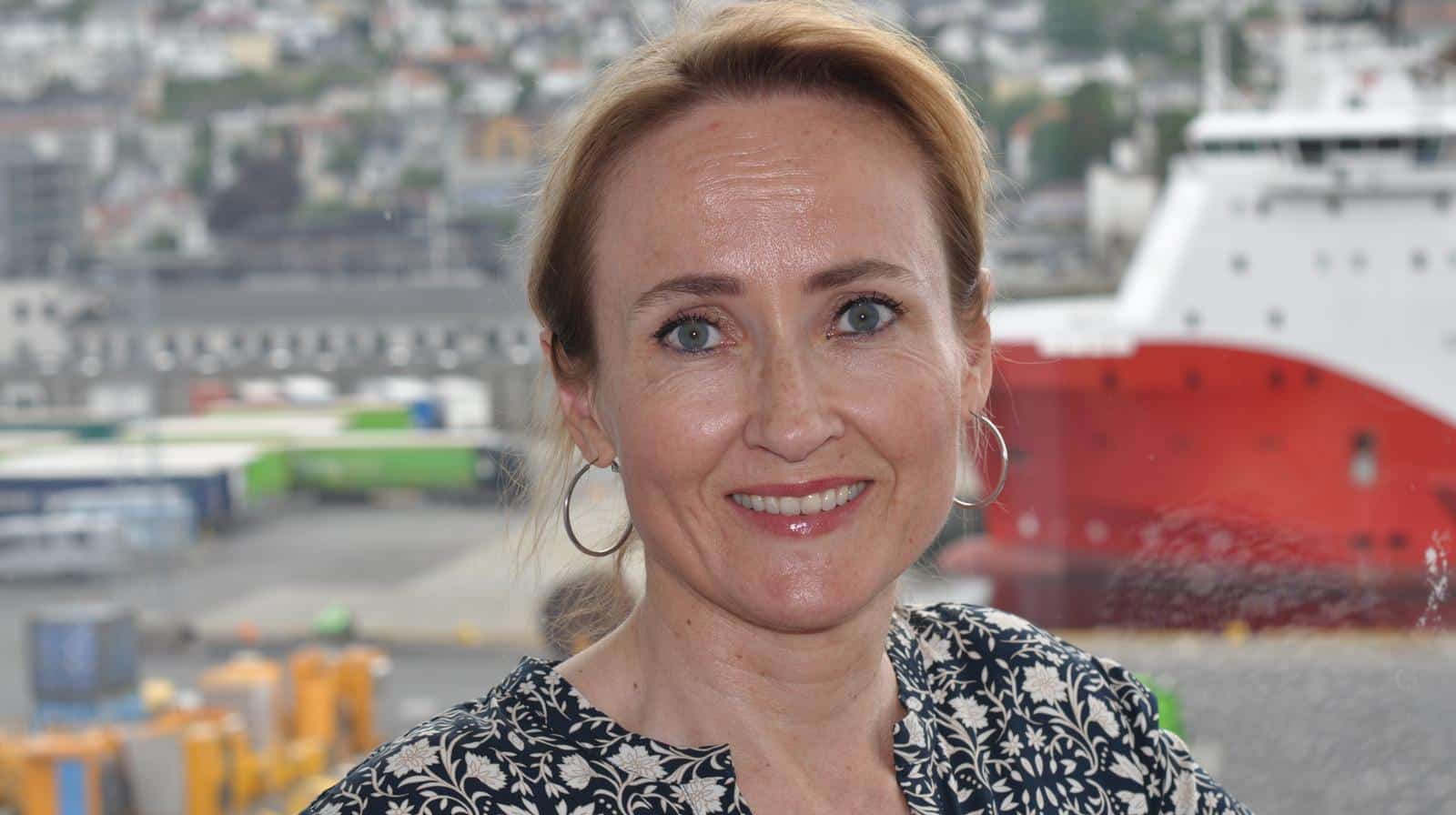
Hilde Selbervik is a contemporary historian with research interests in developing aid, human rights, economic and political reforms, conditionality and international negotiations.
Read more
David Jackson is a social scientist with a focus on how social norms, informal institutions, and political incentives shape anti-corruption efforts.
Aled Williams is a political scientist focused on policy effectiveness, anti-corruption, and the politics of resource extraction, using political economy and political ecology approaches.
Inge Amundsen is a political scientist focusing on democratic institutionalisation, political economy, parliaments, political parties, political corruption, and natural resources revenue management.
His main study areas are Angola, Malawi, Palestine, Bangladesh, Nigeria, and Ghana.
Daniela Cepeda Cuadrado is a public policy professional with experience working in the fields of anti-corruption, health, and sustainable development.
Alexey Konov is an anti corruption expert and the director of the Anti-Corruption Center at HSE University in Moscow.
Hilde Selbervik is a contemporary historian with research interests in developing aid, human rights, economic and political reforms, conditionality and international negotiations.
Bergen Global is a joint initiative between the University of Bergen and Chr. Michelsen Institute that addresses global challenges.