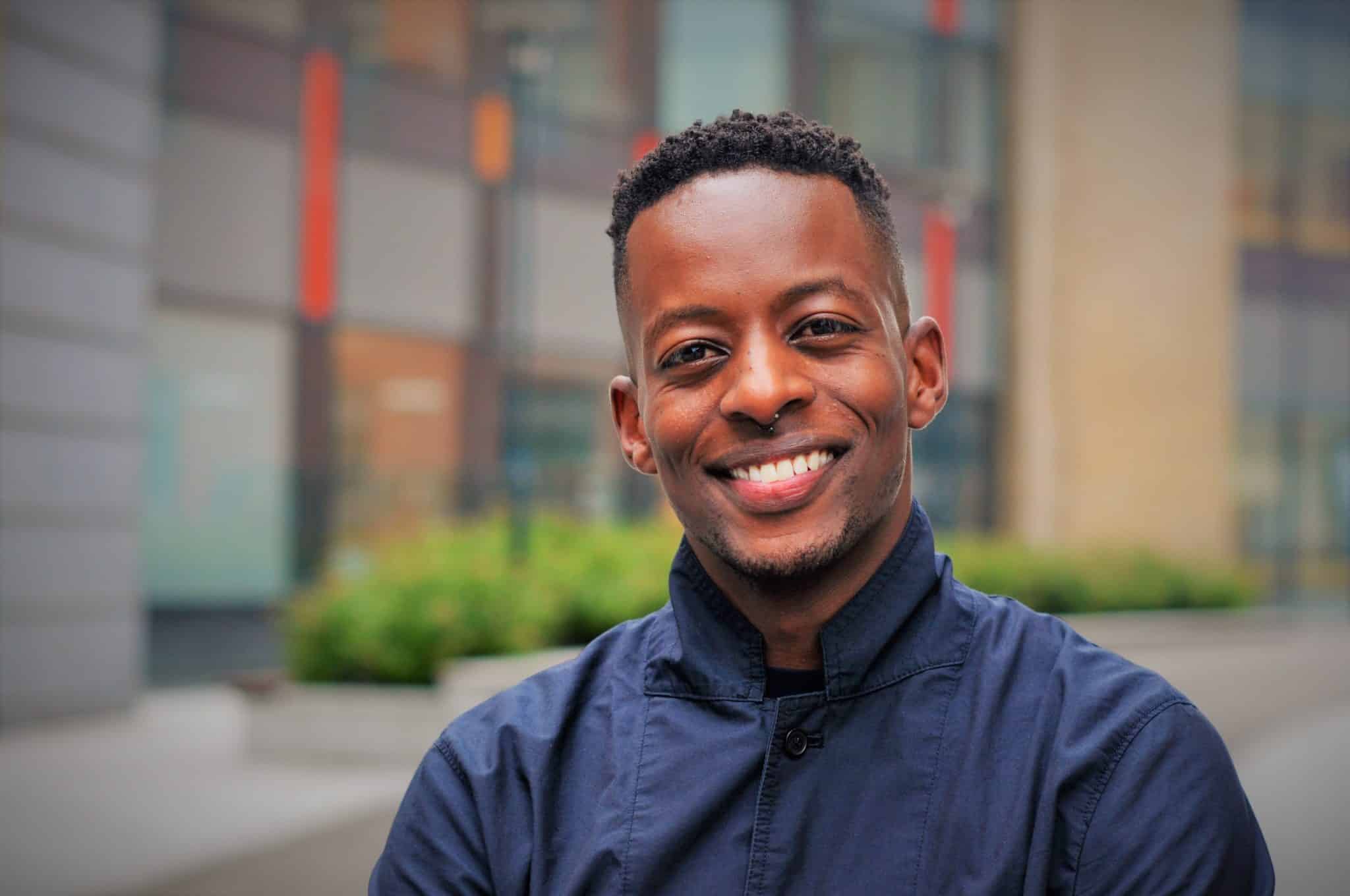
Matthew Gichohi
Post Doctoral Researcher, CMIMatthew Gichohi is a political scientist focusing on democratisation and identity politics with a particular focus on sub-Saharan Africa.
Read more

A joint initiative between the University of Bergen
and CMI – Chr. Michelsen Institute
Behind-the-scenes succession planning in Uganda.
On the surface Uganda’s 2026 elections resemble those in the recent past, with the ruling party firmly in control, opposition activity restricted, and recurring political violence. Yet the significance of this cycle lies less in the electoral outcome – which is widely assumed – but in what it reveals about a regime nearing the end of President Museveni’s long rule.
Elections have become a stage for internal competition, where political actors seek to secure influence, demonstrate loyalty, and position themselves for an uncertain post-Museveni future.
Within the National Resistance Movement – Uganda’s ruling party – chaotic and costly primaries, widespread vote-buying, and a surge in independent candidates expose deepening fragmentation. Meanwhile, pro-regime campaigns and the carefully managed public silence of Museveni’s son, Muhoozi Kainerugaba, signal behind-the-scenes succession planning.
Yet in a political system increasingly preoccupied with succession, what space remains for genuine change? For ordinary Ugandans facing economic hardship, repression, and uncertainty, what do these elections actually offer for the future?
Matthew Gichohi is a political scientist focusing on democratisation and identity politics with a particular focus on sub-Saharan Africa.
Read more
Andrea Kronstad Felde is a researcher at Department of Government at the University of Bergen.
Read more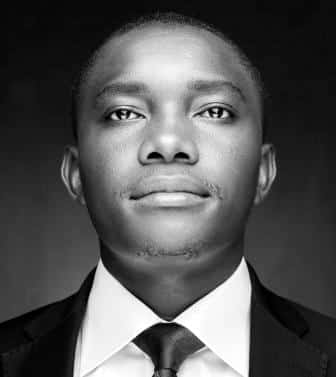
Adrian Jjuuko is an Ugandan human rights lawyer and advocate.
Read more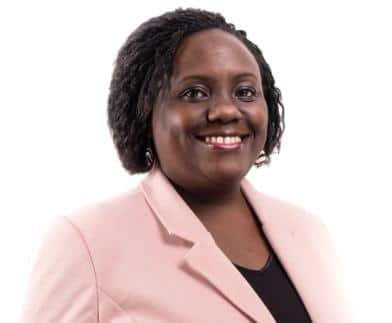
Monica Kirya is a lawyer and scholar-practitioner working at the intersection of anti-corruption, gender justice, and institutional reform.
Read more
Matthew Gichohi is a political scientist focusing on democratisation and identity politics with a particular focus on sub-Saharan Africa.
Gichohi’s research studies how processes of democratization are affected by social identities and the norms that surround them. For example, his work considers how ethnic and gender identities are created, practiced and reinforced to affect political participation and representation. Gichohi studies these issues using a variety of methods from survey experiements to participant observation. He is also involved in the ‘Assisting Regional Universities in Sudan’ programme (ARUS), funded by Norwegian MFA.
Gichohi is also a co-convener of the U4 Gender and Corruption course with Monica Kirya.
Andrea Kronstad Felde is a researcher at Department of Government at the University of Bergen.
Andrea Kronstad Felde study student governments in authoritarian settings in Sub-Saharan Africa, with a special focus on processes of politicization and depoliticization. She focus on intra-organisational conflicts and internal dynamics within such organisations; the policy preferences of student government and their role as agenda-setters in national policies; and how student governments have framed the decolonial question at the time of political independence.
Her work is based on extencive fieldwork at Makerere University, and her work also relies on interviews and historical archive material. The project seeks to understand how student governments have balanced the role of representing student related issues on campus as well as addressing more fundamental rights in society. Her study takes a relational approach to the relationship between student governments in Uganda and the authoritarian political context in which it is embedded.
Adrian Jjuuko is an Ugandan human rights lawyer and advocate.
He is the Executive Director of Human Rights Awareness and Promotion Forum (HRAPF) and chairs the Legal Committee of the Civil Society Coalition on Human Rights and Constitutional Law, which coordinated civil society efforts to nullify Uganda’s Anti-Homosexuality Act in 2014, and which won the US State Department’s Human Rights Defenders Award 2011. He coordinated the successful legal efforts to challenge the Anti Homosexuality Act, 2014 in Uganda’s Constitutional Court and lead a process to challenge the Act at the East African Court of Justice.
Adrian Jjuuko earned a PhD from the University of Pretoria, from where he also holds an LLM in Human Rights and Democratisation in Africa; an LLB degree from Makerere University Kampala, Uganda, and a postgraduate Diploma in Legal Practice from the Law Development Centre, Kampala. His research interests are in the areas of: LGBTI rights, the right to health, and children’s rights.
Monica Kirya is a lawyer and scholar-practitioner working at the intersection of anti-corruption, gender justice, and institutional reform.
Her work bridges research and practice on anti-corruption, gender equality, and good governance, with a focus on how laws and institutions can uphold dignity, justice, and fairness in everyday governance.
Bergen Global is a joint initiative between the University of Bergen and Chr. Michelsen Institute that addresses global challenges.